Buy qhh.eu ?
We are moving the project
qhh.eu .
Are you interested in purchasing the domain
qhh.eu ?
domain@kv-gmbh.de · 0541-91531010
Buy qhh.eu ?
'Astronomy scientist'
An astronomy scientist is a professional who studies celestial objects and phenomena in the universe. They use telescopes, satellites, and other instruments to observe and analyze stars, planets, galaxies, and other cosmic bodies. Astronomy scientists also conduct research to understand the origins, evolution, and behavior of these celestial objects, as well as the fundamental laws of physics that govern the universe. Their work contributes to our understanding of the cosmos and helps to advance scientific knowledge and technology. **
'Astrophysics or Astronomy?'
Astrophysics and astronomy are closely related fields, but they have distinct focuses. Astronomy is the study of celestial objects and phenomena in the universe, while astrophysics involves applying the principles of physics to understand the behavior and properties of these objects. Astrophysics delves deeper into the physical processes that govern the universe, such as the study of gravity, electromagnetism, and nuclear reactions. Both fields are essential for advancing our understanding of the cosmos, with astronomy providing observational data and astrophysics providing theoretical explanations. **

Similar search terms for Astronomy
Top-Angebote
Products related to Astronomy:
-
Collins 2024 Guide to the Night Sky Book – Astronomy & Stargazing CollectionFrom the UK’s Number One Astronomy publisher, this is the bestselling stargazing handbook to the planets, stars and constellations visible from the northern hemisphere. With 6 pages for each month covering January–December 2024. This practical guide is an easy introduction to astronomy and a useful reference for seasoned stargazers. Designed for Britain and Ireland but usable anywhere in the world between 40°N and 60°N, covering most of Europe, southern Canada and the northern United States. Advice on where to start looking and a map of dark sky sites to avoid light pollution. Charts for the circumpolar and seasonal constellations. Easy-to-use star charts for each month with descriptions of objects and events to look for in 2024. Positions of the moon, visible planets and eclipses. Includes a section on comets and a detailed map of the moon. Now in three editions: Britain and Ireland; North America; Southern Hemisphere. Written and illustrated by astronomical experts, Storm Dunlop and Wil Tirion, and approved by the astronomers of the Royal Observatory Greenwich.1,99 £*Shipping: 1,99 £Secure redirect to the provider
-
Pan Make Brilliant Work: Lessons on Creativity, Innovation and Success by Rod Judkins - Paperback - Self-Help/Business Creativity Guide, Author ofMake Brilliant Work is an inspiring guide by Rod Judkins, drawing on the real-life stories of visionaries from Frida Kahlo to Steve Jobs. This paperback book reveals the methods and mindsets that turn ordinary effort into extraordinary results. Judkins proves that talent alone never guaranteed success — persistence, risk-taking and original thinking did. A motivating read for anyone wanting to unlock their creative potential at work or in life. The book profiles figures who failed at school, were told they lacked talent, or were fired more than once, yet went on to achieve great things. Written by Rod Judkins, published by Pan Macmillan, this book is a reassuring truth: you don't have to be naturally brilliant to produce brilliant work.2,99 £*Shipping: 2,99 £Secure redirect to the provider
-
Usborne Beginners Science Collection 10 Books Box Set by Various Authors - Earthquakes & Tsunamis, Astronomy, Living in Space & More - Ages 5-9Introduce your child to the wonders of science with the Usborne Beginners Science 10 Books Collection Set. This comprehensive hardback set covers a range of topics, including earthquakes, volcanoes, astronomy, and the solar system, making it perfect for children aged 5-9 who are moving from picture books into independent reading. Each book focuses on a single big idea, broken into clear and accessible chunks, and features vivid photography and diagrams to help young readers understand complex concepts. The set includes titles such as Earthquakes; Tsunamis, Sun, Moon and Stars, Living in Space, and more. With Usborne's reputation for producing high-quality, engaging science books, this collection is an excellent addition to any home or classroom library.17,99 £*Shipping: 2,99 £Secure redirect to the provider


-
What is astronomy?
Astronomy is the scientific study of celestial objects such as stars, planets, galaxies, and other phenomena that exist beyond Earth's atmosphere. It involves observing, analyzing, and understanding the universe and its various components. Astronomers use telescopes and other instruments to gather data and make discoveries about the origins, evolution, and behavior of objects in space. Astronomy also plays a crucial role in helping us understand our place in the universe and how it all came to be. **
-
Is astronomy a science?
Yes, astronomy is considered a science. It is the study of celestial objects such as stars, planets, galaxies, and the universe as a whole. Astronomers use the scientific method to make observations, form hypotheses, and test their theories. Through the use of mathematics, physics, and technology, astronomers are able to gather data and make predictions about the behavior and properties of objects in space. **
-
What does astronomy research?
Astronomy research involves studying celestial objects such as stars, planets, galaxies, and other phenomena in the universe. Researchers use telescopes, satellites, and other instruments to observe and analyze these objects to better understand their properties, behavior, and evolution. By studying astronomy, researchers aim to answer fundamental questions about the origins of the universe, the nature of dark matter and dark energy, and the potential for life beyond Earth. **
-
Which leaves concern astronomy?
In astronomy, leaves from trees do not have a direct impact. However, the leaves of certain plants, such as the ginkgo tree, have been studied for their ability to preserve delicate fossils. These leaves can provide valuable information about ancient ecosystems and the conditions in which the fossils were formed. Additionally, leaves can be used as a natural filter to observe the sun during solar eclipses, as they create natural pinhole cameras that project the image of the partially eclipsed sun onto the ground. **


What is Astronomy 12?
Astronomy 12 is a high school level course that delves into the study of celestial objects and phenomena. It covers topics such as the solar system, stars, galaxies, and the universe as a whole. Students learn about the history of astronomy, the tools and techniques used in astronomical research, and the latest discoveries in the field. The course may also include hands-on activities such as observing the night sky and using telescopes. Overall, Astronomy 12 provides students with a comprehensive understanding of the universe and our place within it. **
Are there astronomy events?
Yes, there are many astronomy events that occur throughout the year. These events can include meteor showers, lunar eclipses, solar eclipses, planetary alignments, and the appearance of comets. Many of these events are predictable and can be observed with the naked eye or with the help of telescopes. Astronomy enthusiasts often gather to observe these events and learn more about the universe. **
Top-Angebote
Products related to Astronomy:
-
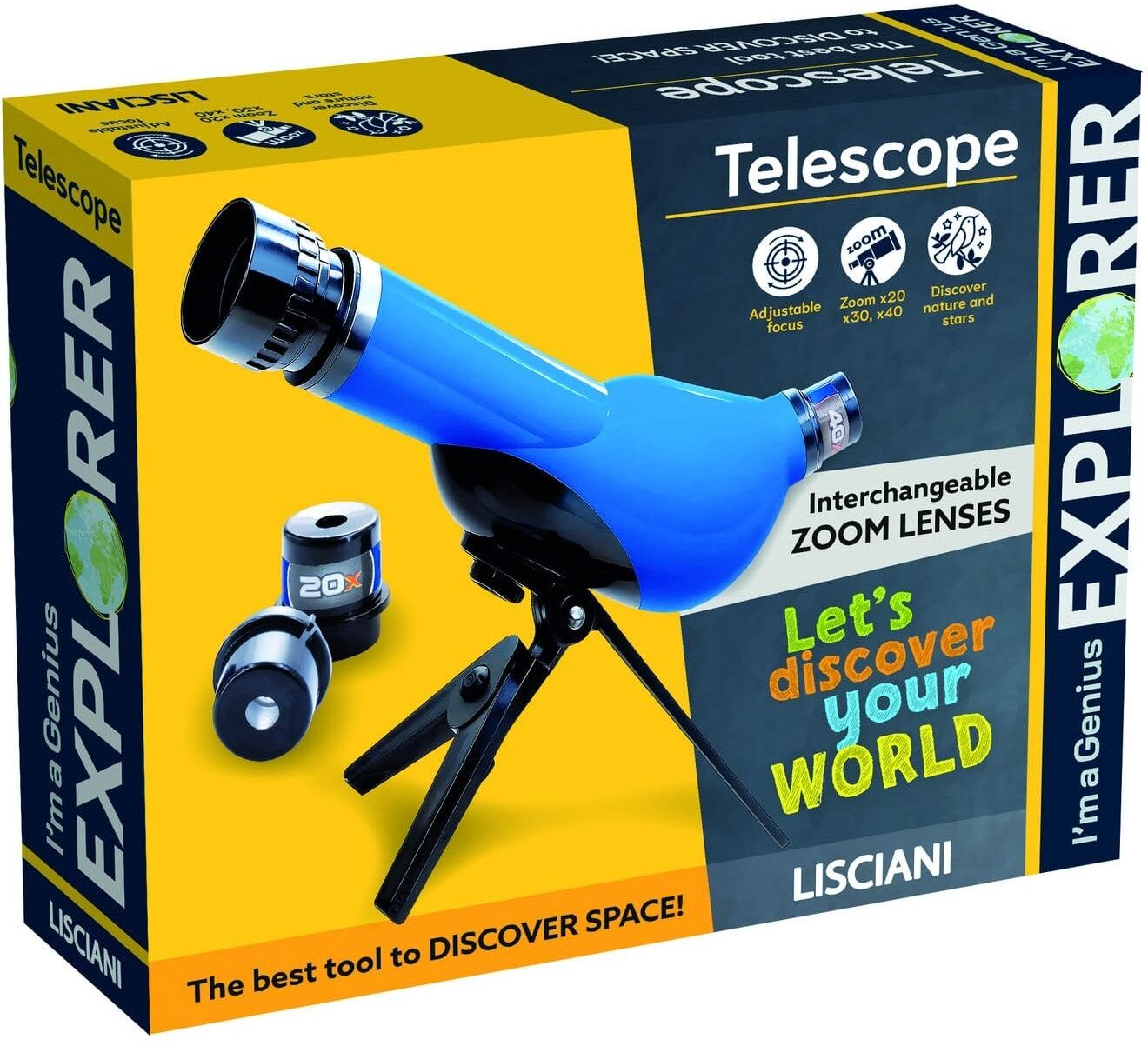
Lisciani I'm A Genius Telescope - Beginner Astronomy Tool for Sky ViewingA beginner-friendly telescope for first steps in astronomy and close-up sky viewing. Easy assembly and focusing for clearer views of stars and constellations. Ideal for family stargazing and early science projects.13,96 £*Shipping: 3,95 £Secure redirect to the provider
-
Collins 2024 Guide to the Night Sky Book – Astronomy & Stargazing CollectionFrom the UK’s Number One Astronomy publisher, this is the bestselling stargazing handbook to the planets, stars and constellations visible from the northern hemisphere. With 6 pages for each month covering January–December 2024. This practical guide is an easy introduction to astronomy and a useful reference for seasoned stargazers. Designed for Britain and Ireland but usable anywhere in the world between 40°N and 60°N, covering most of Europe, southern Canada and the northern United States. Advice on where to start looking and a map of dark sky sites to avoid light pollution. Charts for the circumpolar and seasonal constellations. Easy-to-use star charts for each month with descriptions of objects and events to look for in 2024. Positions of the moon, visible planets and eclipses. Includes a section on comets and a detailed map of the moon. Now in three editions: Britain and Ireland; North America; Southern Hemisphere. Written and illustrated by astronomical experts, Storm Dunlop and Wil Tirion, and approved by the astronomers of the Royal Observatory Greenwich.1,99 £*Shipping: 1,99 £Secure redirect to the provider
-
'Astronomy scientist'
An astronomy scientist is a professional who studies celestial objects and phenomena in the universe. They use telescopes, satellites, and other instruments to observe and analyze stars, planets, galaxies, and other cosmic bodies. Astronomy scientists also conduct research to understand the origins, evolution, and behavior of these celestial objects, as well as the fundamental laws of physics that govern the universe. Their work contributes to our understanding of the cosmos and helps to advance scientific knowledge and technology. **
-
'Astrophysics or Astronomy?'
Astrophysics and astronomy are closely related fields, but they have distinct focuses. Astronomy is the study of celestial objects and phenomena in the universe, while astrophysics involves applying the principles of physics to understand the behavior and properties of these objects. Astrophysics delves deeper into the physical processes that govern the universe, such as the study of gravity, electromagnetism, and nuclear reactions. Both fields are essential for advancing our understanding of the cosmos, with astronomy providing observational data and astrophysics providing theoretical explanations. **
-
What is astronomy?
Astronomy is the scientific study of celestial objects such as stars, planets, galaxies, and other phenomena that exist beyond Earth's atmosphere. It involves observing, analyzing, and understanding the universe and its various components. Astronomers use telescopes and other instruments to gather data and make discoveries about the origins, evolution, and behavior of objects in space. Astronomy also plays a crucial role in helping us understand our place in the universe and how it all came to be. **
-
Is astronomy a science?
Yes, astronomy is considered a science. It is the study of celestial objects such as stars, planets, galaxies, and the universe as a whole. Astronomers use the scientific method to make observations, form hypotheses, and test their theories. Through the use of mathematics, physics, and technology, astronomers are able to gather data and make predictions about the behavior and properties of objects in space. **
Similar search terms for Astronomy
-
Pan Make Brilliant Work: Lessons on Creativity, Innovation and Success by Rod Judkins - Paperback - Self-Help/Business Creativity Guide, Author ofMake Brilliant Work is an inspiring guide by Rod Judkins, drawing on the real-life stories of visionaries from Frida Kahlo to Steve Jobs. This paperback book reveals the methods and mindsets that turn ordinary effort into extraordinary results. Judkins proves that talent alone never guaranteed success — persistence, risk-taking and original thinking did. A motivating read for anyone wanting to unlock their creative potential at work or in life. The book profiles figures who failed at school, were told they lacked talent, or were fired more than once, yet went on to achieve great things. Written by Rod Judkins, published by Pan Macmillan, this book is a reassuring truth: you don't have to be naturally brilliant to produce brilliant work.2,99 £*Shipping: 2,99 £Secure redirect to the provider
-
Usborne Beginners Science Collection 10 Books Box Set by Various Authors - Earthquakes & Tsunamis, Astronomy, Living in Space & More - Ages 5-9Introduce your child to the wonders of science with the Usborne Beginners Science 10 Books Collection Set. This comprehensive hardback set covers a range of topics, including earthquakes, volcanoes, astronomy, and the solar system, making it perfect for children aged 5-9 who are moving from picture books into independent reading. Each book focuses on a single big idea, broken into clear and accessible chunks, and features vivid photography and diagrams to help young readers understand complex concepts. The set includes titles such as Earthquakes; Tsunamis, Sun, Moon and Stars, Living in Space, and more. With Usborne's reputation for producing high-quality, engaging science books, this collection is an excellent addition to any home or classroom library.17,99 £*Shipping: 2,99 £Secure redirect to the provider
-
Eclat Tech Ltd Samsung Galaxy Watch8 40mm Smartwatch – Graphite Galaxy AI Wellness & Intelligent Connectivity (Copy), NewMaster your schedule and your well-being with a device designed for the pace of modern life. The Samsung Galaxy Watch8 40mm in Graphite is more than an accessory; it is a sophisticated personal assistant that streamlines your daily digital workflow. By integrating cutting-edge Galaxy AI with a sleek, minimalist form factor, this watch (EAN 8806095908274) provides the tools you need to stay productive, informed, and physically optimised without the distraction of a smartphone. Whether you are in a high-stakes meeting or a focused training session, the Galaxy Watch8 ensures you remain at the peak of your professional and personal performance. Key Features & Benefits Intelligent Biological Forecasting: The 2025-edition Galaxy AI analyses your sleep, heart rate, and activity levels to provide a morning "Readiness Score," letting you know when to push for results and when to prioritising recovery for maximum productivity. Discrete Professional Management: Real-time smart notifications allow you to screen urgent emails and messages with a glance, ensuring you remain present in your workspace while never missing a critical update. Precision Body Composition Analysis: The integrated BioActive Sensor provides instant feedback on body fat, skeletal muscle, and water weight, empowering you to make data-driven decisions about your nutrition and fitness regime. Sophisticated All-Day Comfort: The 40mm Graphite aluminium case is incredibly lightweight and low-profile, ensuring it slides effortlessly under a tailored suit cuff or casual evening wear for seamless transitions. Reliable Sleep Optimization: Advanced sleep-tracking technology monitors oxygen levels and snoring patterns to offer bespoke coaching, helping you achieve the deep restorative rest required for elite cognitive performance. Scratch-Resistant Longevity: A premium Sapphire Crystal display offers superior durability against the bumps and scrapes of city life, maintaining a pristine, high-end look for years to come. Why Choose This Product The Samsung Galaxy Watch8 is the definitive choice for the urban professional who values clinical precision and understated elegance. While larger wearables can feel cumbersome, the 40mm Graphite model offers a sophisticated, minimalist aesthetic that complements any professional attire. This watch represents an emotional and professional investment in yourself; it eliminates "data overwhelm" by translating complex health metrics into simple, actionable advice. Choosing the Galaxy Watch8 (EAN 8806095908274) means choosing a more efficient version of your day, where technology works silently in the background to keep you healthy, connected, and focused on your career goals. Specification Details Model Samsung Galaxy Watch8 (40mm) EAN 8806095908274 Sensor Samsung BioActive Sensor (PPG, ECG, BIA) Buttons Dual Action Buttons + Touch Bezel Battery Fast-Charging Lithium-Ion (Up to 40 hours) Dimensions 40.4 x 39.3 x 9.8 mm Weight Approx. 28.7g (Without...310,00 £*Shipping: 0,00 £Secure redirect to the provider
-
Arcturus Children's Encyclopedia of Space by Giles Sparrow Visual Guide to the Universe, Planets, Stars & Solar System Astronomy Reference Book for KidsJourney beyond Earth and discover the wonders of the cosmos with Children's Encyclopedia of Space: A Visual Guide to the Universe by Giles Sparrow. Part of the Arcturus Children's Reference Library, this engaging visual encyclopedia introduces young readers to the fascinating world of space, astronomy and the universe. Explore the Solar System, planets, moons, stars, galaxies and other extraordinary objects in space while developing an understanding of the vast universe beyond our planet. Presented as an accessible visual reference guide, the book makes complex astronomical topics engaging and easier for young readers to explore. Ideal for children fascinated by planets, stars, space exploration and astronomy, this encyclopedia encourages curiosity and provides a useful resource for independent reading, homework, school projects and general knowledge. Whether learning about our neighbouring planets or exploring the mysteries of distant stars and galaxies, Children's Encyclopedia of Space is a valuable addition to any young space enthusiast's bookshelf. Key Features Engaging children's space encyclopedia Written by astronomy author Giles Sparrow A visual guide to the universe and outer space Explores planets, stars, moons, galaxies and the Solar System Introduces astronomy in an accessible format for young readers Ideal for school projects, homework and independent learning Part of the Arcturus Children's Reference Library Excellent educational gift for young space and science enthusiasts5,99 £*Shipping: 2,99 £Secure redirect to the provider
-
What does astronomy research?
Astronomy research involves studying celestial objects such as stars, planets, galaxies, and other phenomena in the universe. Researchers use telescopes, satellites, and other instruments to observe and analyze these objects to better understand their properties, behavior, and evolution. By studying astronomy, researchers aim to answer fundamental questions about the origins of the universe, the nature of dark matter and dark energy, and the potential for life beyond Earth. **
-
Which leaves concern astronomy?
In astronomy, leaves from trees do not have a direct impact. However, the leaves of certain plants, such as the ginkgo tree, have been studied for their ability to preserve delicate fossils. These leaves can provide valuable information about ancient ecosystems and the conditions in which the fossils were formed. Additionally, leaves can be used as a natural filter to observe the sun during solar eclipses, as they create natural pinhole cameras that project the image of the partially eclipsed sun onto the ground. **
-
What is Astronomy 12?
Astronomy 12 is a high school level course that delves into the study of celestial objects and phenomena. It covers topics such as the solar system, stars, galaxies, and the universe as a whole. Students learn about the history of astronomy, the tools and techniques used in astronomical research, and the latest discoveries in the field. The course may also include hands-on activities such as observing the night sky and using telescopes. Overall, Astronomy 12 provides students with a comprehensive understanding of the universe and our place within it. **
-
Are there astronomy events?
Yes, there are many astronomy events that occur throughout the year. These events can include meteor showers, lunar eclipses, solar eclipses, planetary alignments, and the appearance of comets. Many of these events are predictable and can be observed with the naked eye or with the help of telescopes. Astronomy enthusiasts often gather to observe these events and learn more about the universe. **
* All prices are inclusive of VAT and, if applicable, plus shipping costs. The offer information is based on the details provided by the respective shop and is updated through automated processes. Real-time updates do not occur, so deviations can occur in individual cases. ** Note: Parts of this content were created by AI.